
Interceptive orthodontics is early treatment that guides a child’s jaw and teeth while they are still developing, usually between ages 6 and 10 when baby and adult teeth are both present. The goal is to catch bite and spacing problems while they are still easy to influence, instead of waiting until everything has grown in.
Dr. Mack evaluates young patients for early treatment at both Mack Orthodontics offices. Here is what the approach involves, which children benefit from it, and what parents can expect.
What Are Interceptive Orthodontics?
Interceptive orthodontics, sometimes called early orthodontic treatment or Phase I treatment, focuses on guiding a child’s teeth and jaw development while they still have a mix of baby and adult teeth. Because the jaw is still growing at this stage, an orthodontist can influence how it develops in ways that become much harder once growth finishes.
This proactive care can prevent problems from taking hold, shorten treatment time later, and set the stage for healthier alignment as your child grows.
Interceptive vs. Corrective Orthodontics
These two terms describe different stages of the same plan, and parents often hear both at a first visit.
Interceptive treatment happens while your child still has baby teeth. It works on the foundation, so jaw width, spacing for teeth that have not arrived yet, and habits that affect how the bite forms. It does not usually straighten every tooth, because most permanent teeth are still on the way.
Corrective treatment, often called Phase II, comes later once the permanent teeth are in. That is the stage where full braces or aligners fine-tune the position of individual teeth.
Not every child who has interceptive treatment goes on to need a second phase, and plenty of children never need interceptive treatment at all. An evaluation is what tells you which path applies to your child.
The Goal of Interceptive Orthodontics
The main goal is to intercept developing dental and skeletal issues before they require more complex corrections. By identifying and addressing these early, Dr. Mack can:
- Guide proper jaw growth and alignment.
- Create space for incoming permanent teeth.
- Reduce crowding or overlapping.
- Prevent trauma to protruding front teeth.
- Correct harmful oral habits like thumb-sucking or tongue-thrusting.
When to Schedule an Evaluation
The American Association of Orthodontists recommends that every child visit an orthodontist by age 7. At this stage, Dr. Mack can evaluate jaw growth, bite alignment, and tooth development, even if braces are not needed yet. Sometimes we will simply monitor your child’s growth with routine check-ins until treatment becomes appropriate. There is more on why age 7 is the right time for a first visit if you want the reasoning behind that recommendation.
Common Signs Your Child Might Need Interceptive Orthodontics
You may notice some clues that early intervention could help your child, such as:
- Early or late loss of baby teeth.
- Difficulty chewing or biting.
- Mouth breathing or thumb-sucking.
- Crowded, protruding, or blocked-out teeth.
- Jaws that shift or appear uneven.
- Biting the cheek or the roof of the mouth.
Even if teeth appear straight, there may be hidden issues beneath the surface, so a consultation is the best way to know for sure.
Treatment Options in Interceptive Orthodontics
Interceptive orthodontics is not just about braces. It can include several appliances chosen around your child’s growth stage and needs:
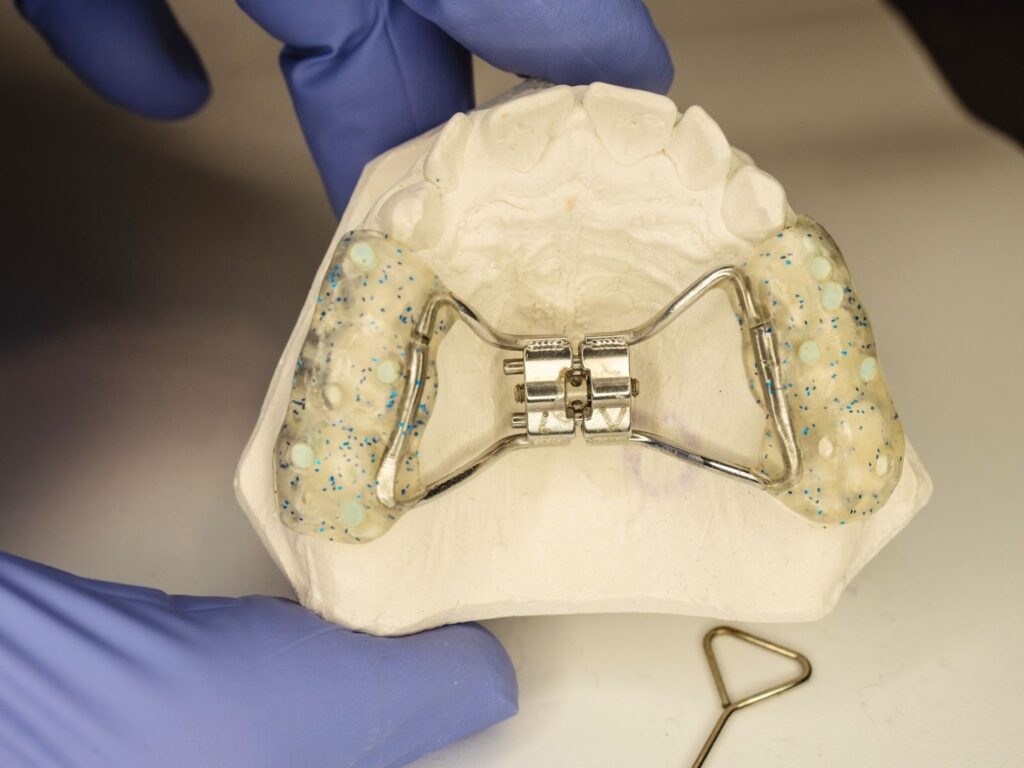
- Expanders: Widen the upper jaw to create more space for permanent teeth. We cover how these work in our guide to palatal expanders.
- Partial Braces: Guide developing teeth into better alignment.
- Space Maintainers: Hold open space when a baby tooth is lost early.
- Functional Appliances: Influence jaw growth to improve bite alignment.
- Habit Appliances: Help stop thumb-sucking or tongue-thrusting.
Dr. Mack will explain which of these fits your child, and how it connects to the broader picture of orthodontics for children as they grow.
Benefits of Interceptive Orthodontics
Early treatment can make a real difference in a child’s comfort and confidence. By correcting issues while the jaw and facial bones are still growing, Dr. Mack can often achieve results that would be more difficult, or even impossible, later. The benefits parents tend to notice most:
- Reduces the likelihood of tooth extractions later on.
- Simplifies or shortens later orthodontic treatment.
- Improves facial balance and appearance.
- Supports clearer speech and easier chewing.
- Builds self-esteem and healthy oral habits early on.
Even if your child does not need immediate treatment, an evaluation offers peace of mind and a clear plan for what comes next.
Orthodontic Options at Mack Orthodontics
At our Burlington and Hillsborough offices, Dr. Mack provides options for every stage of development:
- Early Phase I Treatment: Guides jaw growth and corrects developing issues.
- Phase II Treatment: Fine-tunes tooth alignment with full braces or clear aligners once all permanent teeth have come in. Our overview of the benefits of two-phase treatment explains how the stages work together.
- Teen and Adult Orthodontics: For families who are ready to start treatment later in life.
FAQs About Interceptive Orthodontics
What is the right age to start interceptive orthodontics?
Most children benefit from an orthodontic check-up by age 7. Some will not need treatment right away, but an early evaluation lets Dr. Mack monitor growth and catch potential issues before they worsen.
What is interceptive orthodontic treatment?
It is orthodontic care delivered while a child still has a mix of baby and adult teeth, aimed at guiding jaw growth and creating space rather than straightening every tooth. It often uses appliances like expanders or partial braces instead of a full set of braces.
Will my child need braces right away?
Not always. Many children in the interceptive phase do not need full braces yet. Early treatment may involve expanders or other appliances to prepare for the next stage of growth.
How long does interceptive orthodontic treatment last?
Phase I treatment usually lasts 6 to 12 months, depending on your child’s needs. Afterward there is often a resting period before Phase II begins during the teen years.
Does early orthodontic treatment hurt?
Most children handle it well. New appliances bring some pressure and soreness for a few days as the mouth adjusts, and that usually settles on its own. Tell Dr. Mack if anything stays uncomfortable so the appliance can be checked.
Is early treatment worth doing?
For the right child, yes. Addressing a developing problem while the jaw is still growing is often simpler than correcting it after growth finishes. The evaluation is what determines whether your child is in that group.

Helping Your Child Smile with Confidence
At Mack Orthodontics, Dr. Mack and our team take time to explain every step, answer your questions, and make sure your child feels comfortable and cared for.
If you live near Burlington or Hillsborough, now is a good time to schedule your child’s orthodontic evaluation. Together we can build the foundation for a strong, confident smile.
Schedule a free consultation today with Dr. Mack.